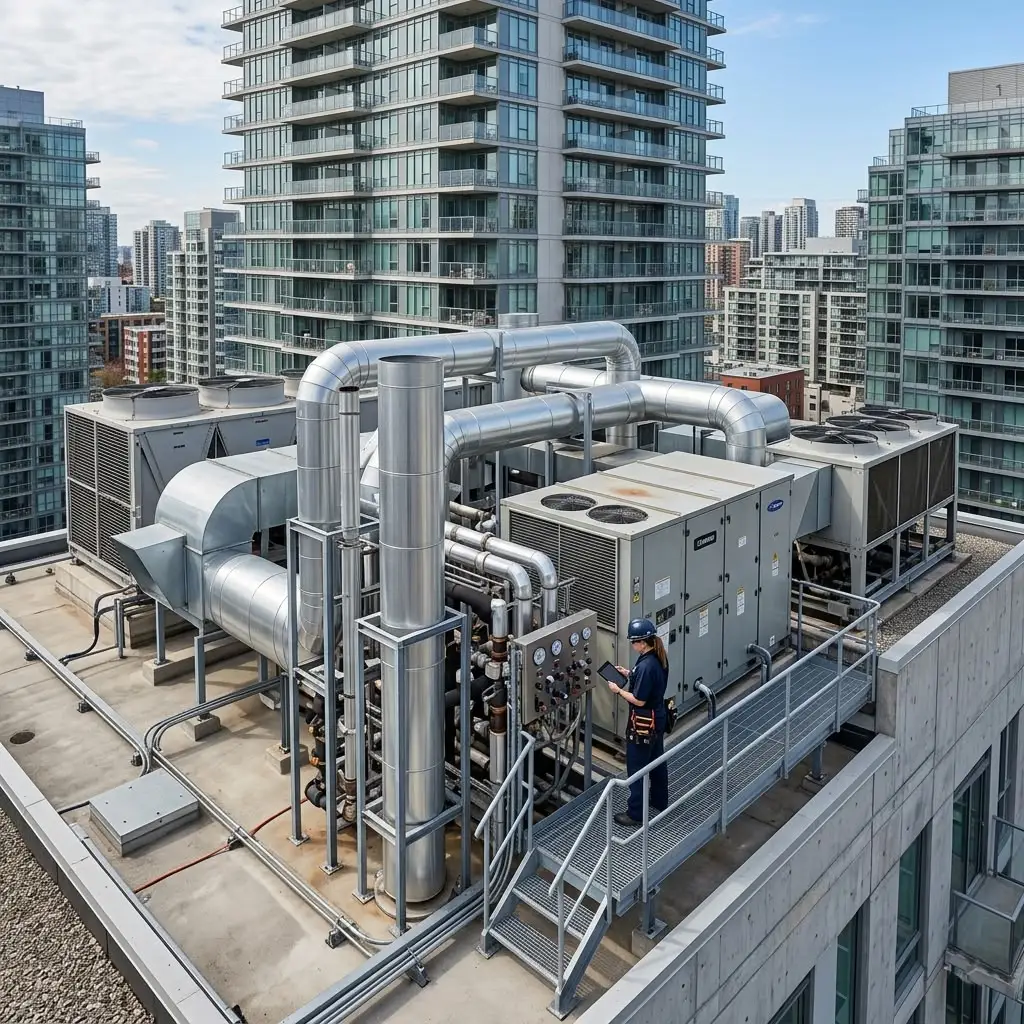
HVAC stands for Heating, Ventilation, and Air Conditioning, a system designed to regulate temperature, air circulation, humidity, and indoor air quality within a building. In modern buildings, HVAC has become a highly important element because it directly affects occupant comfort, operational efficiency, and the overall quality of the indoor environment.
As the needs of commercial and industrial buildings continue to evolve, HVAC is no longer seen as a secondary feature. Today, it is an essential part of building infrastructure because it helps create indoor conditions that are comfortable, healthy, and suitable for the activities taking place inside. From office buildings, hotels, hospitals, and shopping centers to industrial facilities, all require a reliable air management system to support smooth operations.
Understanding HVAC Systems
In simple terms, HVAC is an integrated system that manages indoor air conditions. It includes three primary functions: heating, ventilation, and air conditioning. These three functions work together to create a stable, comfortable, and healthy indoor environment.
Heating, Ventilation, and Air Conditioning
Heating helps maintain a warm indoor temperature when needed. Ventilation regulates air exchange and circulation while helping preserve indoor air quality. Meanwhile, air conditioning cools the air and controls indoor humidity. In practice, HVAC systems are not only about temperature control, but also about overall comfort and the quality of the air occupants breathe every day.
Functions of HVAC in Modern Buildings
HVAC systems play a vital role in supporting different types of modern buildings. One of their main functions is to maintain thermal comfort so that indoor temperatures remain stable. Stable indoor conditions help occupants feel more comfortable while working, carrying out daily activities, or resting.
In addition, HVAC helps maintain indoor air quality. Clean air and proper circulation are essential for supporting health, especially in buildings with high occupancy or enclosed spaces used for long periods of time. Humidity control is also important because excessively high or low humidity can affect comfort, health, and even the condition of equipment inside the building.
Why HVAC Is Important for Modern Buildings
Modern buildings are designed to support productivity, efficiency, and comfort. In this context, HVAC plays an important role by ensuring that indoor conditions remain suitable for daily activities. Without a proper HVAC system, buildings may experience unstable temperatures, poor air circulation, excessive humidity, and unhealthy indoor air quality.
The importance of HVAC is even greater today because many buildings are designed as enclosed environments that depend heavily on internal air control systems. This means indoor environmental quality no longer relies mainly on natural ventilation, but on the performance of the HVAC system itself. That is why selecting the right HVAC system is crucial to maintaining both comfort and efficiency.
Beyond comfort, HVAC also contributes to energy efficiency. A well-designed system with suitable components can reduce unnecessary energy consumption. This is especially important for commercial and industrial buildings with high operational demands. With an efficient HVAC system, building owners can lower operating costs while maintaining long-term building performance.
Key Components in HVAC Systems
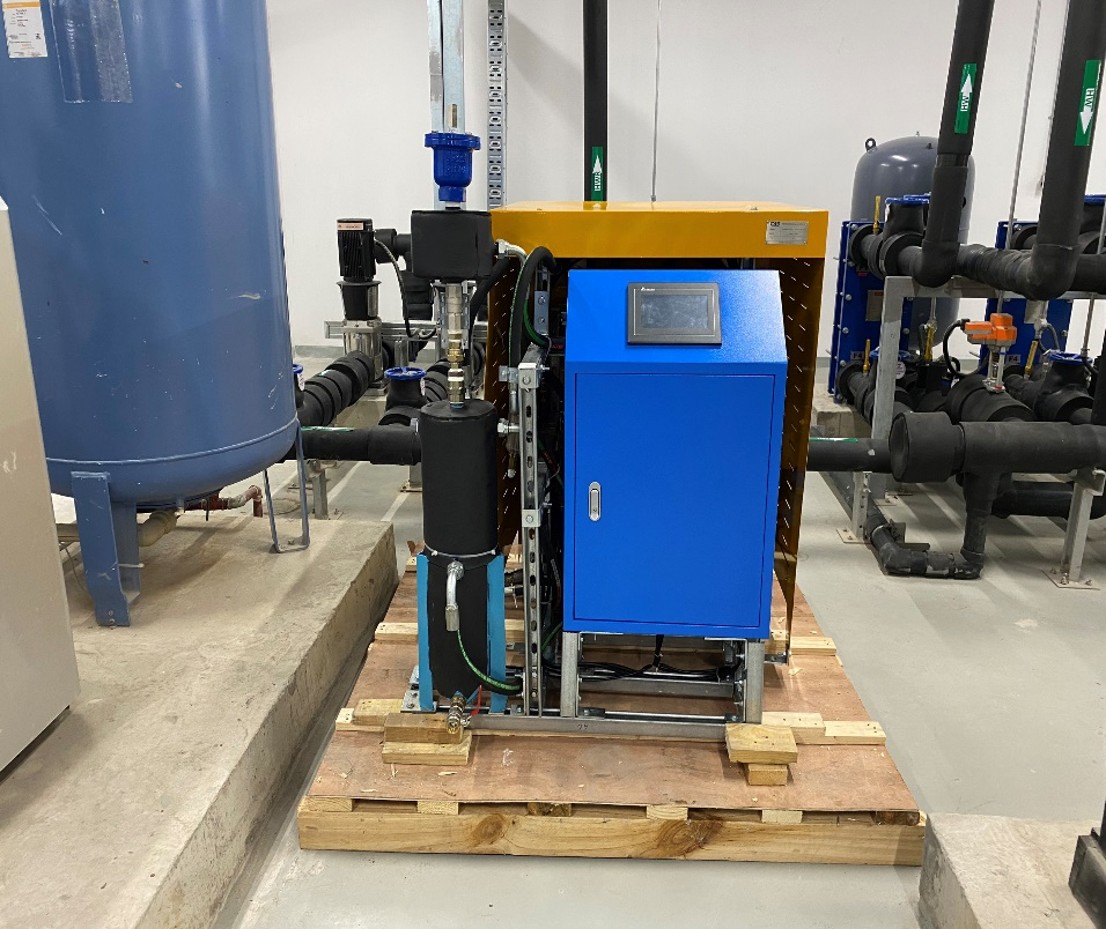
HVAC systems operate through various connected components. These may include heating or cooling units, air ducts, fans, dampers, valves, sensors, and actuators. Each component plays an important role in ensuring that the system functions properly and responds accurately to the building’s needs.
Control Components in HVAC Systems
In modern HVAC systems, control components such as actuators, sensors, and valves are becoming increasingly important because they support automation and more precise regulation. With the right components, HVAC systems can operate more efficiently, more reliably, and be more easily integrated into building automation systems. For this reason, component quality and compatibility are key factors in overall HVAC performance.
Benefits of HVAC for Commercial and Industrial Buildings
In commercial buildings, the benefits of HVAC are clearly seen in the comfort it provides for occupants, employees, customers, and visitors. A comfortable indoor environment helps improve the user experience while supporting productivity within the building.
In industrial buildings, HVAC is not only about comfort, but also about maintaining operational stability. In certain sectors, proper temperature, humidity, and air quality control can help preserve production quality, protect equipment, and reduce the risk of operational disruption.
For both commercial and industrial buildings, investing in the right HVAC system provides long-term value. In addition to supporting energy efficiency, a reliable system can reduce the risk of damage, lower maintenance costs, and improve the overall functional value of the building.
Conclusion
HVAC systems are an essential part of modern buildings because they regulate temperature, ventilation, humidity, and indoor air quality. Their role goes beyond comfort, as they are also closely linked to energy efficiency, healthy indoor environments, and smooth building operations.
As building requirements become more complex, understanding the importance of HVAC systems, HVAC functions, HVAC components, and HVAC benefits becomes increasingly relevant. Choosing the right system and components helps buildings operate more effectively, more efficiently, and more reliably for long-term needs.
If you need HVAC solutions for commercial or industrial buildings, PT Mandomai Niaga Lestari is ready to assist with products and consultation tailored to your project requirements.